
Creating the conditions for presence
Psychologically, the human brain is not designed to deeply process constant novelty without rest. Research in cognitive science shows that excessive stimulation and continuous decision making can increase mental fatigue, reduce emotional regulation, and diminish our ability to form meaningful memories. When every moment becomes optimized for productivity or consumption, experiences begin to blur together and we become desensitized to what experiences have to offer.
Slowing down changes that. Instead of rushing through a destination, overestimating time needed and physically moving slower allows the nervous system to acclimate to a new environment. The unfamiliar gradually becomes familiar. Stress hormones begin to lower. Attention softens. Curiosity replaces overstimulation. You stop observing a destination as a spectacle from the outside and begin participating as a player within it.
The moments in between are the most memorable
Returning to the same café every morning. Recognizing familiar faces. Walking without an agenda. Having enough time for spontaneous conversations and local recommendations to naturally unfold. These moments create emotional and identity attachment, which psychology consistently shows is one of the strongest contributors to long term memory formation and personal wellbeing.
Without constant movement and external stimulation, people often become more aware of their internal state. Emotions that are usually buried beneath routine and productivity have space to emerge. While many people associate travel with escaping your problems, slower travel tends to create reflection and container to process these concepts instead.
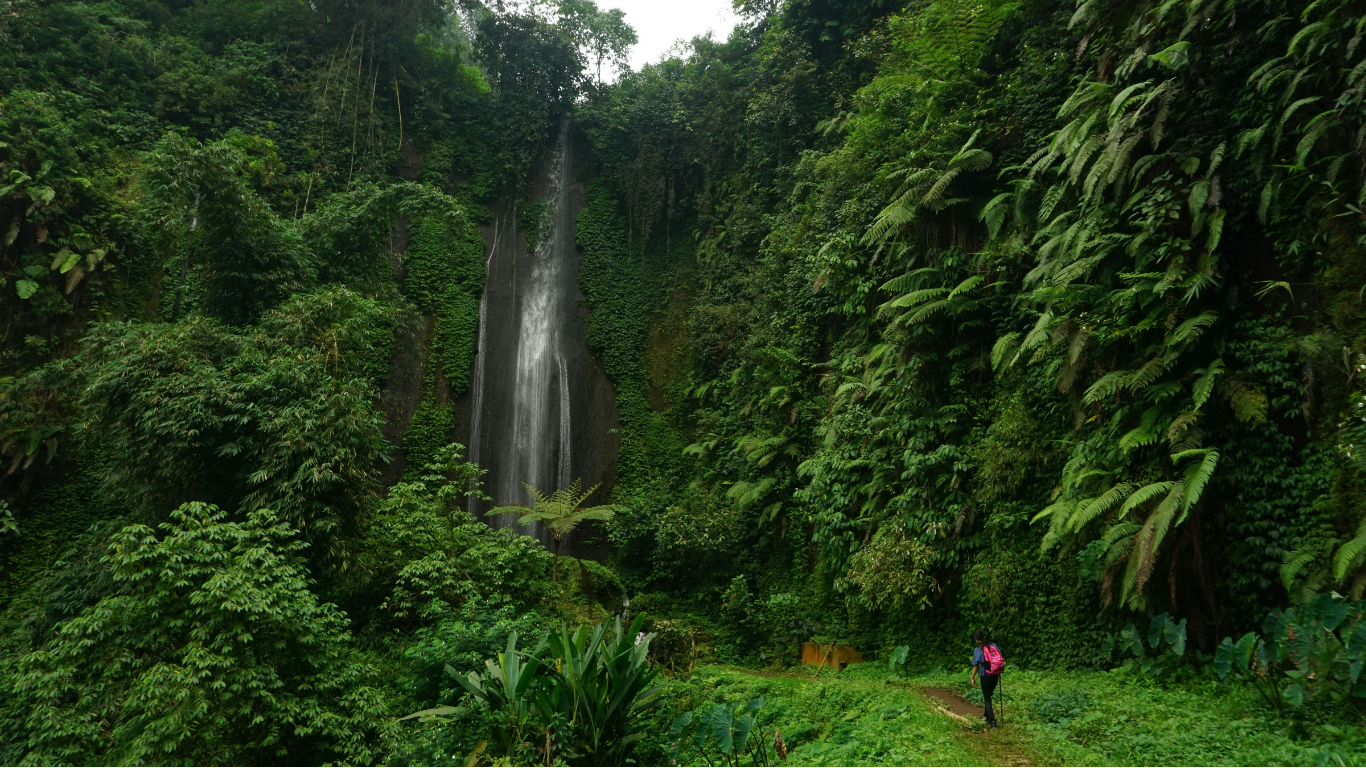
This is part of why destinations rooted in nature, wellness, and spaciousness feel so psychologically restorative. Exposure to natural environments has repeatedly been associated with reduced cortisol levels, improved mood, lower nervous system arousal, and increased cognitive recovery. The body quite literally responds differently to slower, quieter environments.
It's deeply human to return to places more than once
Modern travel encourages consumption and museum-like exchanges. Slow travel encourages ownership and relationships. You revisit places because you understand they are not fully understood after a single visit. You build a personal discovery of a destination instead of simply checking them off a viral list.
Ironically, slowing down often allows people to experience more outliers, more serendipities, more nuance. The best part is that slow travel gives you a reason to return, not because you missed something, but because you experienced enough to see you’ve simply scratched the surface of a deeper relationship with it.
Travel with the mindset that you are human
Slow travel reminds us that we are not machines built to endlessly consume experiences. We are humans designed to feel them, to settle into places, to form attachments. We crave for environments to shape us slowly enough that they leave a psychological imprint long after we return home, and the same for our presence on them.
At North South Travel, we have seen time and time again that the most meaningful travel experiences are the ones that could never be replicated, because they emerged naturally through the relationship between a destination and the unique essence of a slower traveller.